


Breathe Like a Leader: Powerful Shifts from Simple Breathing Exercises
Why High Performers Forget to Breathe
When you’re an entrepreneur or professional constantly running on deadlines, caffeine, and adrenaline, breathing becomes something you do unconsciously — shallow and fast. Over time, that pattern fuels anxiety, drains your nervous system, and leads to burnout.
But what if something as simple as a breathing exercise could reverse that?
Modern research and ancient wisdom agree: controlled breathing — or mindful breathing exercises — can reduce cortisol, increase focus, and even stabilize blood pressure. Yet the real magic lies deeper: you reconnect with yourself.
How a Simple Breathing Exercise Can Reduce Anxiety and Burnout
What Is a Breathing Exercise? A breathing exercise is a mindful practice where you intentionally control your breath’s rhythm and depth to influence your body’s physiological state.
Let’s be real — burnout isn’t just about working too much. It’s about carrying stress in your body long after the workday ends.
A breathing exercise for anxiety activates your parasympathetic nervous system — the “rest and digest” mode. This helps you feel grounded and centered even when life is chaotic.
Notice how quickly your thoughts slow down? That’s your brain getting the oxygen it’s been craving.
Regular breathing exercises for stress don’t just calm your nerves; they rewire your response to pressure. Over time, you start handling difficult conversations, deadlines, or even financial uncertainty with surprising clarity and calm.
Common Types of Breathing Exercises
Belly breathing (diaphragmatic breathing): Deep breathing from your abdomen to engage your diaphragm and calm your nervous system.
Box breathing (4-4-4-4 method): Inhale, hold, exhale, hold. This is used by Navy SEALs to steady focus under pressure.
4-7-8 breathing: A relaxing technique that lengthens exhalation to ease anxiety and tension.
Mindful breathing: Observing the natural flow of your breath during meditation to increase awareness and presence.
Try This Right Now
Sit tall and relax your shoulders.
Inhale through your nose for 4 counts.
Hold for 7 counts.
Exhale slowly through your mouth for 8 counts.
Repeat 4 times.
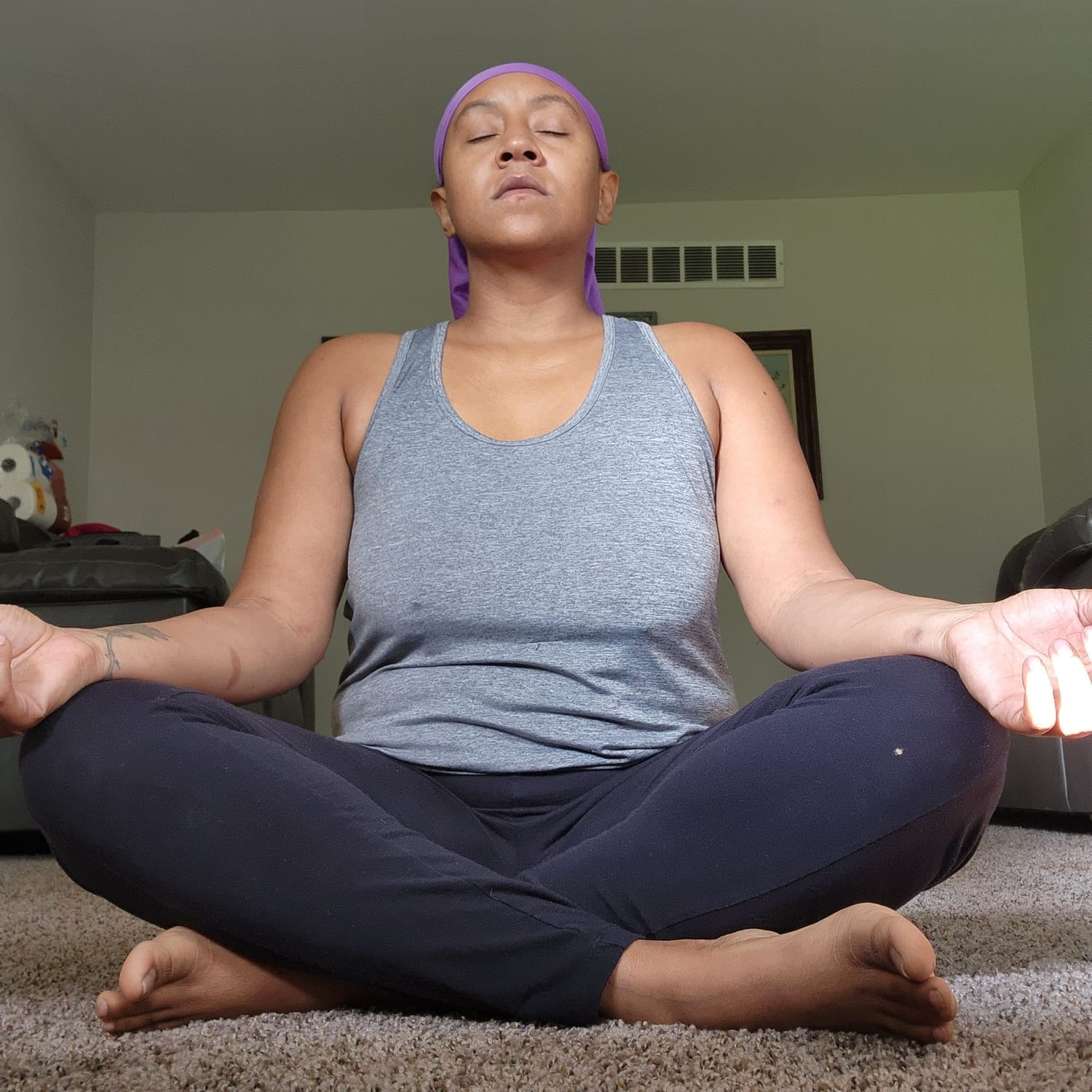
The Science Behind Calm: Why Breathing Works
Deep, mindful breathing triggers your vagus nerve, which acts as a brake pedal for stress. When you breathe from your belly, you signal to your brain, “I’m safe.” Studies even show regular breathing exercises can lower blood pressure and improve lung capacity — vital for long-term health and performance.
The Physical Benefits
This signal reduces:
Anxiety attacks
Rapid heart rate
Muscle tension
Overthinking and insomnia
So, if you’ve ever felt like stress is running your life, remember: your breath is your built-in reset button.
Entrepreneurial Edge: Breathing as a Power Habit
High performers thrive not by doing more, but by managing their energy better.
When you add breathing exercises into your daily routine, you:
Improve mental clarity before big decisions.
Regain emotional control during challenging moments.
Enhance focus in meetings or creative work.
Recover faster after stress spikes.
Think of It as Mental Fitness
It’s mental fitness training — no gym, no apps, just breath.
Guided Breathing Exercises for High Performers
If this resonates, you’ll love my guided breathing course, designed for professionals who want to lead with calm confidence instead of constant tension.
Reset Before You Reach Out isn’t about becoming someone new. It’s about remembering the grounded, clear version of yourself that stress buried.
🤔 FAQs About Breathing Exercises 🧐
1️⃣ What’s the best breathing exercise for anxiety?
The 4-7-8 breathing technique and box breathing are both highly effective for calming anxiety fast.
2️⃣ Can breathing exercises lower blood pressure?
The 4-7-8 breathing technique and box breathing are both highly effective for calming anxiety fast.
3️⃣ How often should I do breathing exercises?
Start with just 5 minutes twice a day — morning and before bed. Consistency is more important than duration.
4️⃣ Are breathing exercises useful during panic attacks?
Absolutely. Slowing your exhale can help you regain control and reduce panic intensity.
5️⃣ Can I do breathing exercises while working?
Yes. Even one minute of slow, mindful breathing between meetings can lower stress and boost clarity.
6️⃣ What’s the difference between mindful and deep breathing?
Mindful breathing focuses on awareness of your breath, while deep breathing focuses on expanding lung capacity and activating your diaphragm.
✅ Conclusion: Breathe to Reclaim Your Power
For entrepreneurs and high performers, success often feels like a sprint — but true longevity comes from learning how to pause. A breathing exercise is your pause.
Start small. Stay consistent. And when you’re ready to dive deeper into mastering calm and clarity, explore the $7 course that’s already helping professionals like you breathe easier and live stronger.
